

Digital Validation Software: 7 Problems with Manual Validation in Pharma
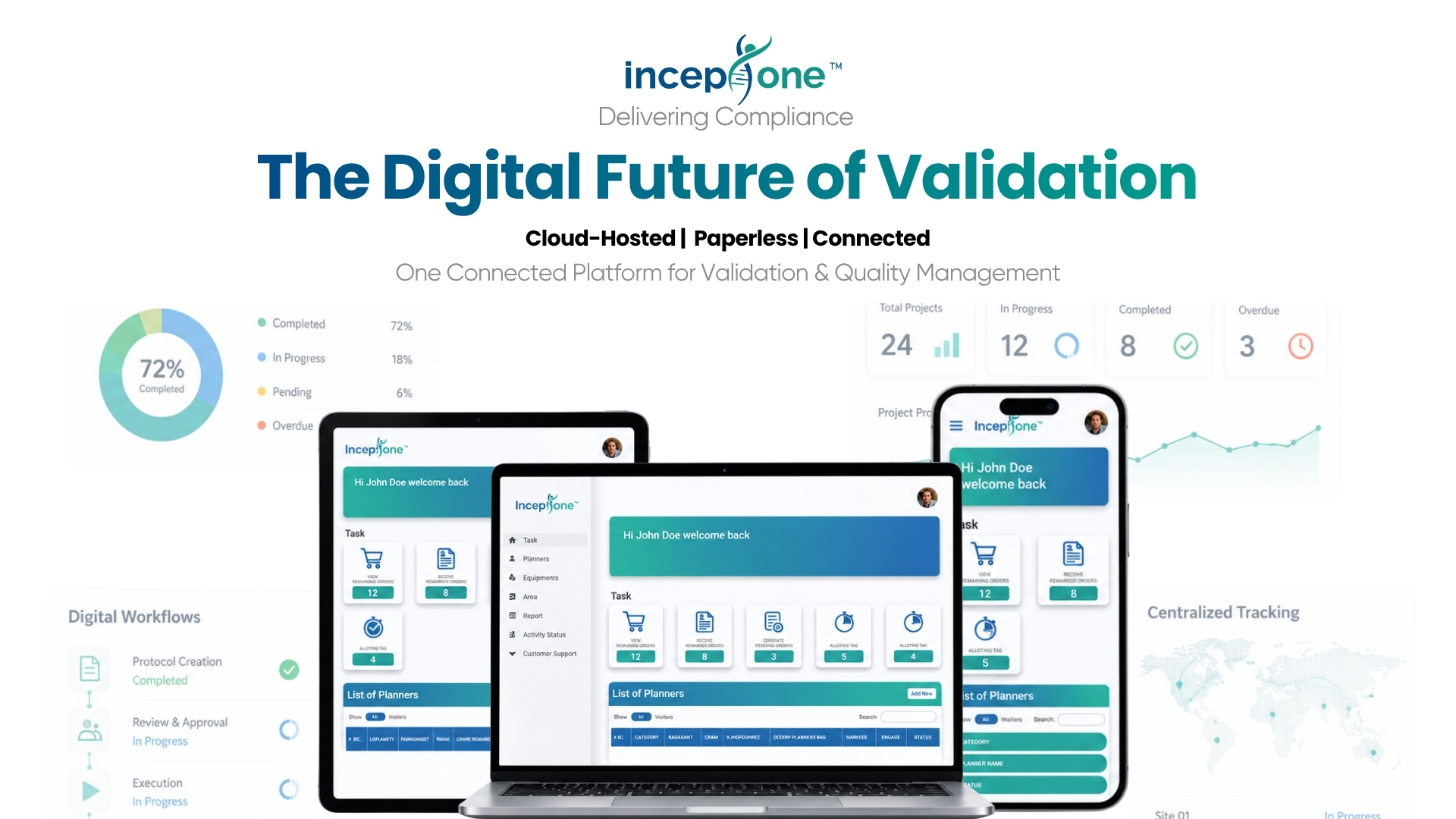
Pharmaceutical companies are moving from manual validation management to digital validation software because paper records, spreadsheets, and email follow-ups become hard to control as validation projects multiply. A digital validation platform brings workflows, documentation, tracking, review, and visibility into one controlled system. It supports good validation practice. It does not replace it.
Here are seven problems that manual validation creates and how a digital approach can help.
Why Manual Validation Becomes Difficult as Pharma Operations Grow
Pharmaceutical validation can cover facilities such as cleanrooms, equipment, utilities, processes, and computerized systems, often as part of broader Commissioning, Qualification, and Validation (CQV) activities. Each one needs protocols, execution records, deviations, and reports.
For a single project, a binder and a spreadsheet may be enough. Across several sites and dozens of systems, manual validation (paper records, spreadsheets, email follow-ups, and disconnected files) gets much harder to manage. GMP expects controlled documentation and reliable records, and manual methods make that discipline harder to sustain.
1. Scattered Validation Documents
Problem: Protocols sit on a shared drive, signed copies live in binders, and test evidence is buried in email attachments.
Why it matters: Nobody can be sure which document is current. A missing page or unsigned form often surfaces at the worst moment, such as during a report review or inspection.
How Digital Validation Software Helps
Digital validation software keeps protocols, reports, deviations, and supporting evidence in one controlled repository with defined access. Validation documentation software can also link related records, so you can find a requirement, its test, and its result together.
2. Difficult Protocol and Version Tracking
Problem: Files named "Protocol_v3_final_REVISED" are a familiar sight. Teams rely on naming habits to know which version is approved.
Why it matters: Executing an outdated protocol can mean rework, a deviation, or a difficult conversation with Quality.
How Digital Validation Software Improves Version Control
Digital protocol management applies version control and approved templates. Version control helps teams identify the current approved protocol and maintain a record of changes. That removes much of the guesswork.
3. Slow Review and Approval Cycles
Problem: Printed documents travel between desks, or review requests wait in crowded inboxes. Wet-ink signatures add delays when reviewers work at different sites.
Why it matters: Slow approvals push back qualification schedules and, in turn, equipment release and project timelines.
How Digital Validation Software Speeds Review Workflows
Workflows route documents to defined reviewers in a set order, send reminders, and record who acted and when. Where electronic records and signatures are used, teams should also consider applicable requirements such as FDA 21 CFR Part 11
4. Limited Visibility Across Validation Activities
Problem: A manager's view of progress is often only as current as the last status meeting.
Why it matters: Overdue qualifications and stalled reviews are spotted late. Resource planning becomes guesswork, and it is hard to tell which projects need attention first.
How Digital Validation Software Improves Validation Visibility
Validation dashboard software can show status by project, site, document type, or owner. A reviewer holding up five protocols becomes visible straight away rather than weeks later.
5. Manual Status Tracking and Follow-Ups
Problem: Someone has to update the tracking spreadsheet, check each document, and chase each reviewer.
Why it matters: Skilled validation engineers spend time on coordination instead of technical work. The spreadsheet is also out of date the moment someone forgets to update it.
How Digital Validation Software Simplifies Status Tracking
Validation tracking software updates status as work moves through the workflow. Due dates, owners, and notifications live inside the system, which reduces manual chasing and keeps status closer to reality.
6. Difficult Audit Preparation and Record Retrieval
Problem: Before an inspection or customer audit, teams search binders, drives, and mailboxes for the records they need.
Why it matters: Slow retrieval wastes preparation time, and gaps in the documentation are discovered under pressure. The FDA's Part 11 scope and application guidance reflects the expectation that electronic records are retrievable and reliable.
How Digital Validation Software Supports Record Retrieval
Searchable, controlled records with visible approval history make it easier to locate and present documents. That helps teams prepare, but it does not make an audit effortless. Inspectors still judge the quality of the underlying validation work.
7. Greater Risk of Administrative and Transcription Errors
Problem: Data is copied from paper into reports, dates are re-typed, and signatures are missed. Every handoff is a chance for a slip.
Why it matters: Data entry errors can lead to deviations, rework, and questions about data integrity. For computerized systems used in regulated processes, appropriate Computer System Validation (CSV) also needs to be considered.
The FDA's guidance on data integrity and cGMP compliance emphasizes that records should be attributable, accurate, and reliable.
How Digital Validation Software Reduces Manual Data Entry
Templates, required fields, and single-entry data capture reduce retyping. Access controls and audit trails support attribution. Errors can still happen, so reviewers and procedures remain essential.
How IncepOne Can Support Digital Validation Workflows
IncepOne is an IncepBio digital platform designed around pharmaceutical validation and compliance workflows. Based on IncepBio's published information, it focuses on activity tracking, compliance workflows, reports, collaboration, and visibility, which map to several of the problems above.
It is one example of how digital validation software can fit into a validation program. The right choice depends on your processes, intended use, and risk assessment, and the system itself needs appropriate validation. For a closer look at the platform, read our guide to IncepOne compliance software.
Conclusion
Manual validation can work at a small scale, but scattered documents, slow approvals, limited visibility, and extra administrative work add up as operations grow. Digital validation software addresses these problems with centralized documents, controlled workflows, status tracking, and searchable records.
It is a tool, not a shortcut. Compliance still depends on qualified people, sound procedures, risk assessment, and quality oversight. Start by identifying which of these seven problems costs your team the most.