01
Static Smoke Study
At-rest baseline airflow- HEPA airflow visualization
- Return airflow assessment
- Dead zone identification
- Airflow uniformity verification

Speak directly with our compliance specialists. Receive expert guidance tailored to your project.
IncepBio provides smoke study testing services and airflow pattern testing (AFPT) for pharmaceutical, biotech and life sciences cleanrooms. Our team runs static, dynamic, UDAF, RABS and isolator smoke studies in aseptic areas on site and records every location in 4K, so your QA team gets clear evidence of airflow and contamination control.
Where smoke studies usually fall short, and how we handle them.
Static and dynamic smoke studies recorded in 4K from multiple angles
Audit-ready videos with audio and text overlays, plus a compliance report
UDAF, LAF, RABS and isolator studies for Grade A zones and aseptic filling lines
One IncepBio team for protocol, execution, recording and reporting
If a deviation or audit finding points to airflow, we can investigate the root cause and support your CAPA.
Pharmaceutical smoke study and airflow visualization services for every cleanroom condition, from at-rest baseline to root-cause investigation.
Send us your layout and room grades. We will suggest the right mix of static, dynamic and Grade A studies.
EU GMP Annex 1 (2022) requires airflow visualization for Grade A and B areas. These are the usual triggers.
As part of facility qualification, cleanroom validation and HVAC qualification.
During routine requalification and contamination control assessments.
When room layout, equipment, personnel numbers or processes change.
To diagnose turbulence, dead zones or airflow reversal and support CAPA.
What your QA team receives after every smoke study validation, and how we record it.
Complete study recorded in high definition
4K cameras and GoPro systems from multiple viewpoints
Critical zones and intervention points
Detailed airflow motion analysis
Narration and on-screen notes for process documentation
Edited final videos delivered fast
Smoke study guidelines we follow
IncepBio's own calibrated equipment, so studies start on schedule.
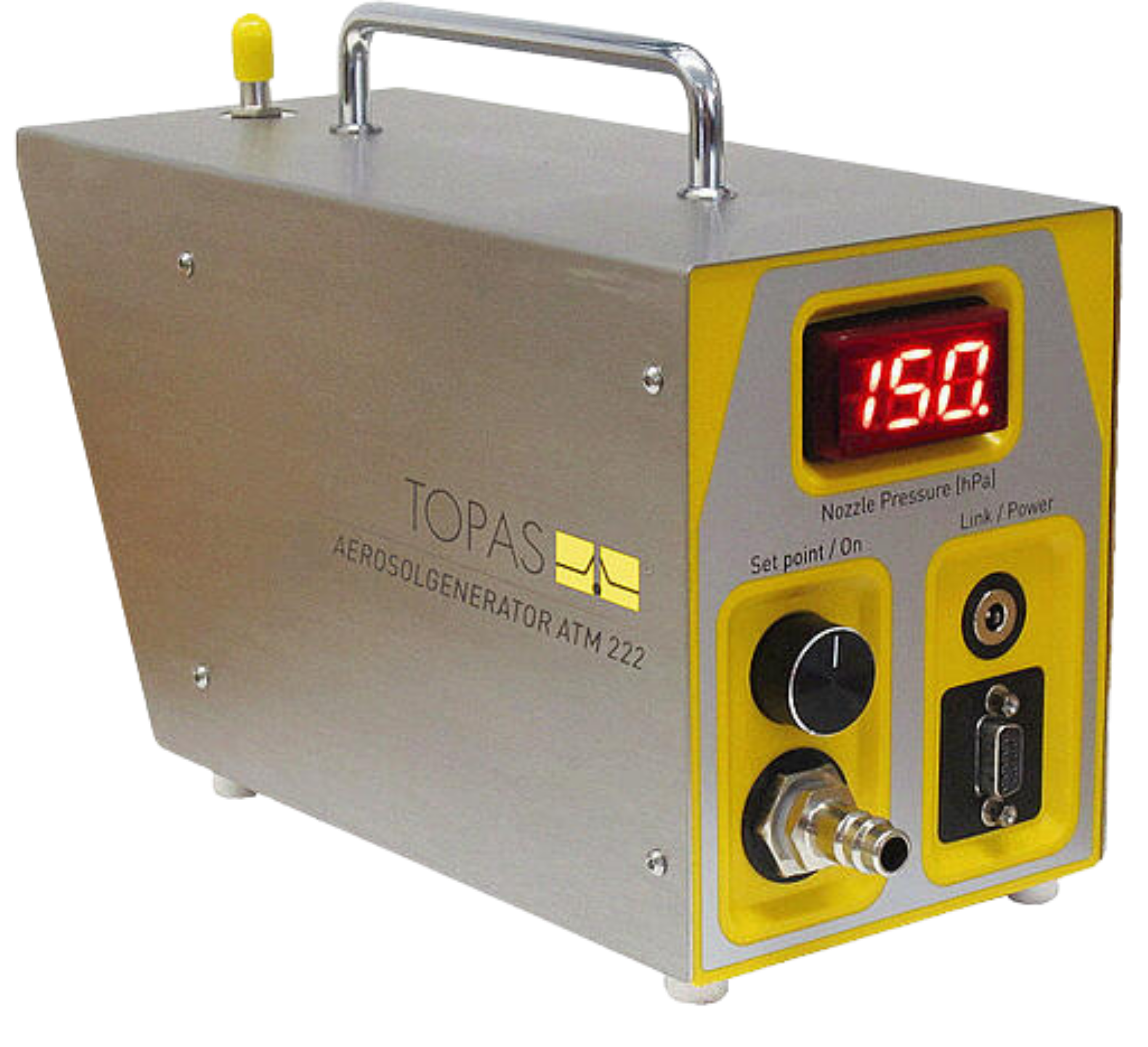
Produces pure vapor to make airflow patterns visible
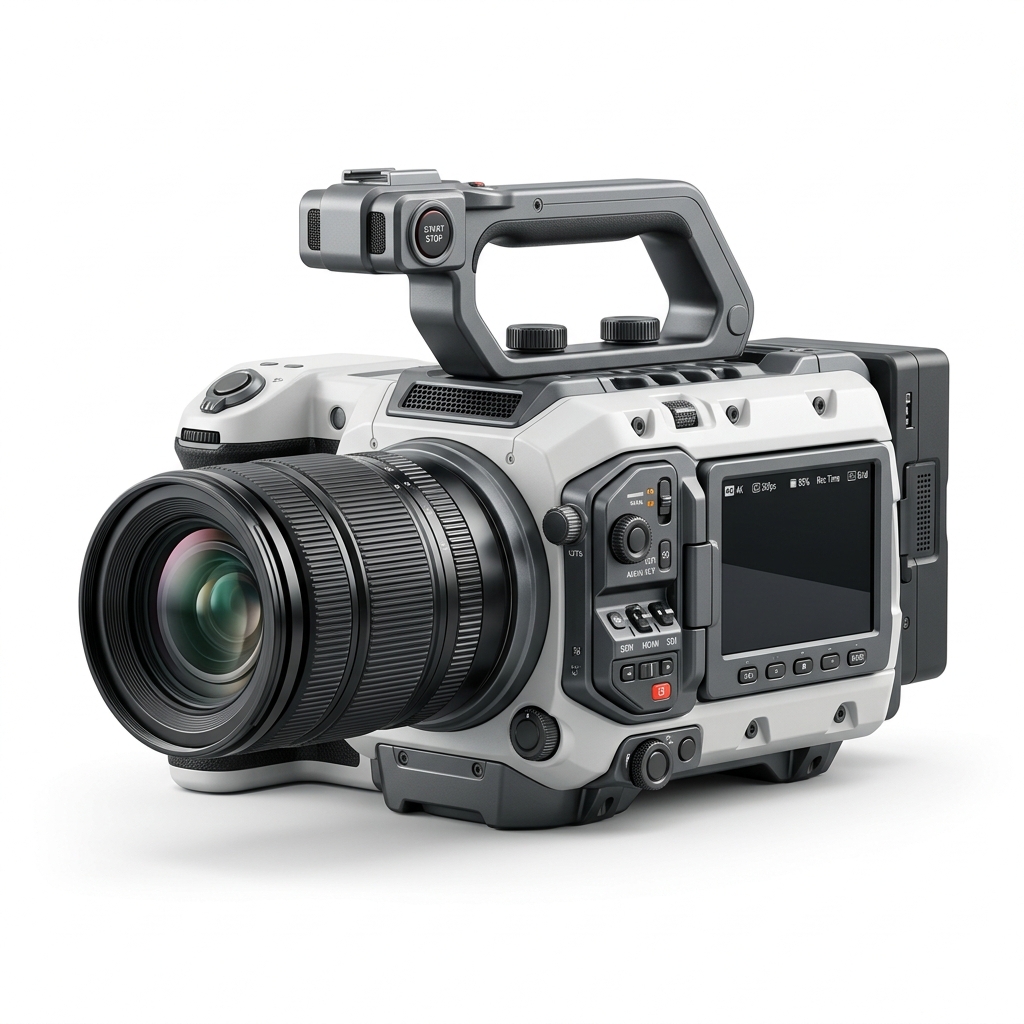
Records every location in 4K for clear video evidence
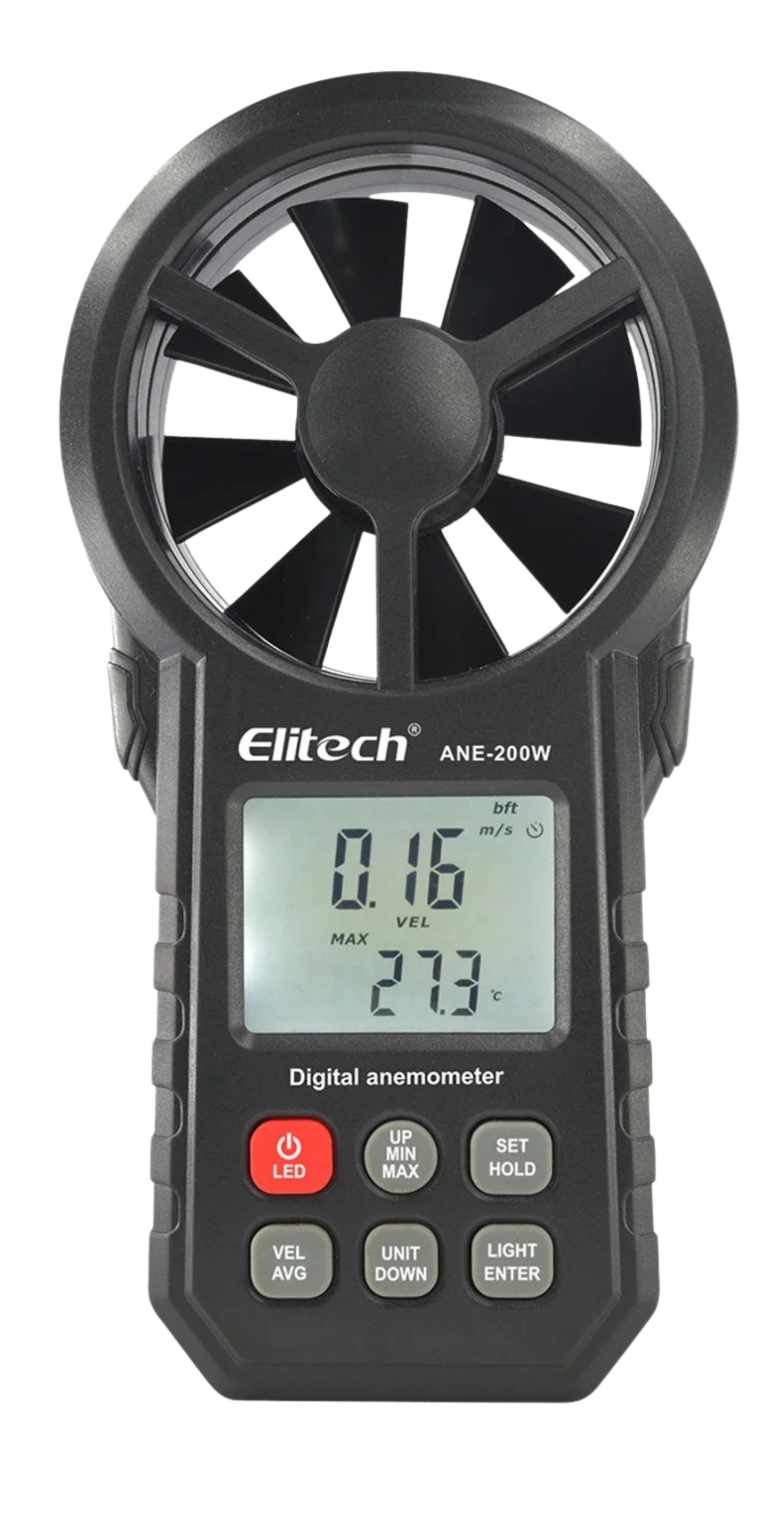
Measures air velocity to support the airflow results
Planned around your production schedule to keep downtime low.
Layout, classification and a customised study protocol
Smoke generators and cameras positioned per protocol
Static and dynamic runs, including interventions
4K multi-angle recording of every location
Compliance report, screenshots and recommendations
Edited videos and report, with audit support
Share your room list and audit date, and we will plan the study around your production schedule.
A validation team that understands cleanroom airflow and audit expectations.
Studies run by professionals with validation and cleanroom expertise
Complete execution at your facility, start to finish
High-quality visual proof suitable for regulatory review
Structured reports aligned to USFDA and EU GMP expectations
Technical support through audit preparation and review
Streamlined protocols that limit operational impact
Smoke study testing for regulated industries, with on-site teams across India and Southeast Asia.
Answers to what QA and engineering teams ask us most.
A smoke study is an airflow visualization test that verifies airflow patterns, contamination control and product protection in pharmaceutical cleanrooms.
A static study runs with no personnel or equipment movement, showing baseline airflow. A dynamic study simulates operations to evaluate how movement and equipment affect airflow under real conditions.
Yes. The revised EU GMP Annex 1 (2022) explicitly requires airflow visualization studies for Grade A and B areas to demonstrate unidirectional airflow and a state of contamination control.
Incepbio provides a study protocol, Ultra HD 4K video recordings, annotated screenshots, a compliance report and corrective recommendations.
Duration depends on facility size and complexity, but most single-room studies are completed within one to two days, including setup, recording and teardown.
Typical criteria are unidirectional airflow over critical zones, smoke sweeping away from critical sites, no reverse flow or ingress from lower-grade areas, and no dead zones or turbulence near open product. Exact criteria are set in the approved protocol.
Tell us about your facility and our smoke study team will get back to you with a scope and proposal.